
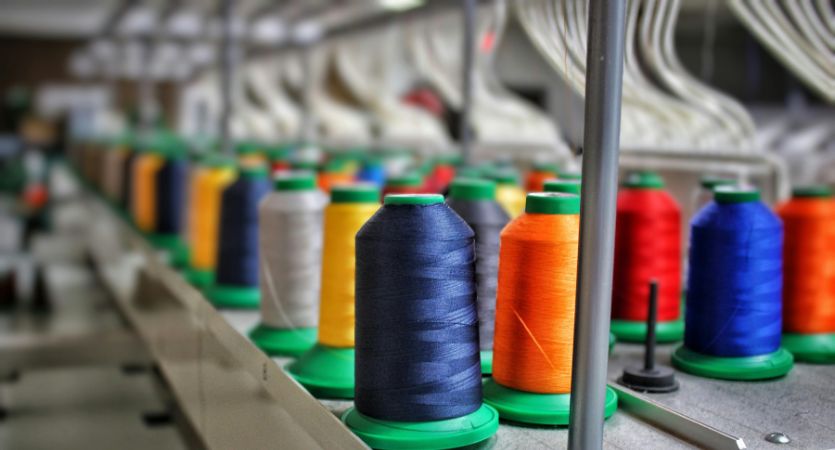
When you first start your embroidery journey, you focus a lot on the machine and the digitizing software. But there is one "silent partner" that determines whether your design looks like a masterpiece or a messy clump of knots: The Thread.
Thread type, weight, and material all influence the final appearance, durability, and texture of your embroidery.
Whether you are a beginner or running a professional embroidery setup, understanding embroidery machine thread is essential for achieving clean, vibrant, and long-lasting results.
1. The Big Debate: Rayon vs. Polyester
Most embroidery threads are made of either Rayon or Polyester. While they might look similar on the spool, they behave very differently on the machine.
Rayon Thread
Rayon has been the industry standard for decades because of its high-gloss sheen.
Pros: Beautiful silk-like finish, very soft to the touch, and comes in thousands of colors.
Cons: It is not bleach-resistant and can break more easily than polyester if the tension is too high.
Polyester Thread
Polyester is the go-to choice for modern embroiderers, especially beginners.
Pros: Extremely durable, colorfast (even with bleach), and very affordable. It handles high-speed machines better than Rayon.
Cons: It has a slightly "plastic" shine compared to the natural glow of Rayon.
Learn how proper embroidery digitizing ensures each thread type shines in your design.
2. The Contrast of Styles: Cotton vs. Metallic Threads
While Polyester and Rayon are the workhorses of the industry, Cotton and Metallic threads are the artists. Choosing between them depends entirely on the "vibe" of your design.
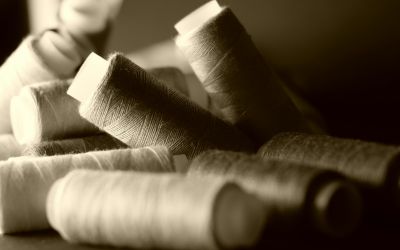
Cotton Thread: The Classic Matte Look
Cotton is the go-to choice for anyone wanting a natural, vintage, or "hand-made" feel.
The Look: It has zero shine. It provides a flat, soft, and sophisticated matte finish.
Best For: Quilting, heirloom embroidery, cross-stitch designs, and vintage-style floral patterns.
Beginner Tip: Cotton thread is slightly thicker and produces more lint (dust). Make sure to clean your bobbin area more frequently when using it to avoid jams.
Metallic Thread: The High-Glamour Sparkle
Metallic thread is essentially a thin strip of metal foil wrapped around a core (usually polyester or nylon). It’s designed to grab attention.
The Look: High-intensity sparkle and glitter. It makes any design look expensive and royal.
Best For: Holiday decorations, evening wear, logos that need to "pop," and 3D puff embroidery accents.
The Challenge: It is notoriously "fussy." Because it is stiff, it can break or shred easily.
Pro Tip: To handle Metallic thread, slow down your machine speed by 50% and use a Topstitch or Metallic needle with a larger eye to reduce friction.
3. Understanding Thread Weight (40wt, 60wt & More)
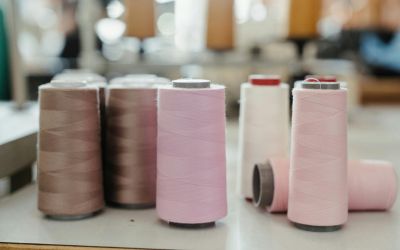
If you look at a spool of embroidery thread, you will often see the number "40" or "40wt." In the world of thread, the higher the number, the thinner the thread.
- 40 Weight: This is the standard for 99% of embroidery projects. Most digitizing software is preset for this thickness.
- 60wt Thread: Thinner thread used for small lettering and fine detail.
- 30wt Thread: Thicker thread used for bold and textured designs.
Choosing the correct weight ensures:
- Clean small text
- Balanced stitch density
- Reduced thread breaks
4. How Thread Affects Embroidery Quality
Thread impacts more than just color.
- Stitch Definition: Thinner threads provide sharper details, especially for small fonts.
- Durability: Polyester threads last longer under heavy washing conditions.
- Shine & Finish: Rayon and metallic threads add visual appeal.
- Breakage Issues: Low-quality thread increases downtime and affects production efficiency.
Even perfect digitizing cannot compensate for poor-quality thread selection.
5. How to Choose the Right Thread for Your Design
Here are practical steps to make the right choice:
- Consider Fabric Type: Heavy fabrics can handle thicker threads. Lightweight fabrics need finer threads.
- Think About Usage: For uniforms and sportswear, durability matters more than shine.
- Check Design Complexity: Small text and intricate logos require thinner threads.
- Match Thread with Digitizing Quality: Proper digitizing ensures correct stitch density that complements the selected thread.
Discover common pitfalls in embroidery digitizing in our Top 5 Embroidery Digitizing Mistakes to Avoid blog.
Conclusion
Embroidery machine thread is more than just a spool of color. It directly influences durability, clarity, and professional finish. By understanding thread types, weights, and materials, you can significantly improve embroidery results and reduce production issues.
Choosing the right thread is just as important as having a good digitizing file. By matching the right material (Polyester or Rayon) and the correct weight to your project, you eliminate 50% of the common embroidery headaches.
When combined with proper digitizing and correct machine settings, the right thread transforms an ordinary design into premium embroidery.
Need professional embroidery digitizing? Our experts ensure the perfect thread, stitch density, and file quality for your design. Get Started Today!